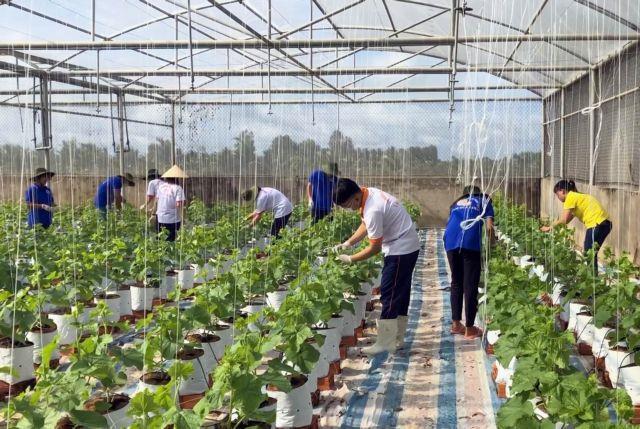
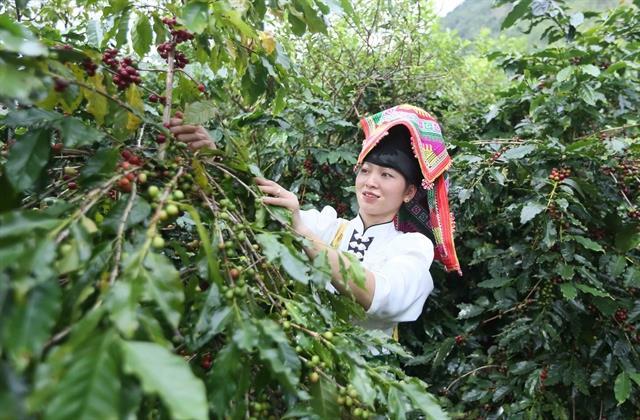
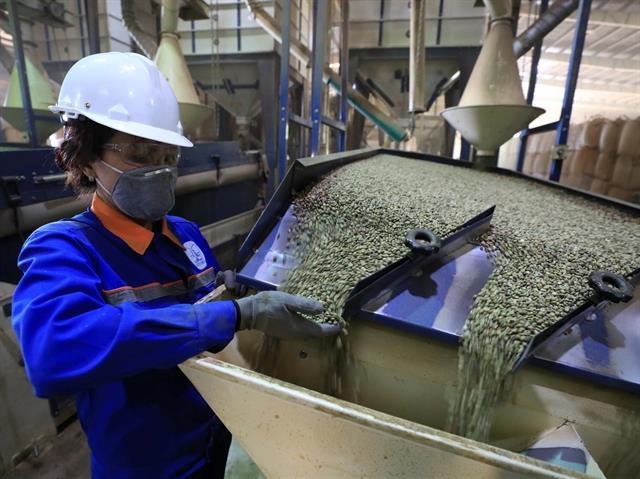

The crop production sector aims to establish low-emission farming zones tailored to key products and ecological regions by 2030. Priority will be given to rice, coffee, fruit and maize production.
Despite being a leading global producer of commodities like robusta coffee and pepper, Việt Nam remains largely dependent on international markets to set prices, limiting returns for farmers and companies.
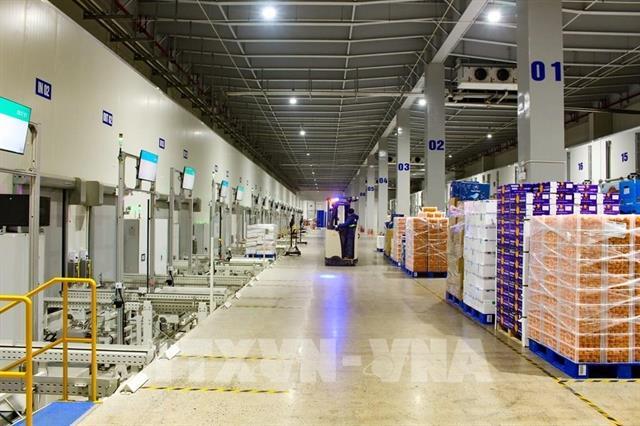
Việt Nam’s cold storage system is unevenly distributed, with facilities densely concentrated in some areas while remaining scarce in key raw material regions.
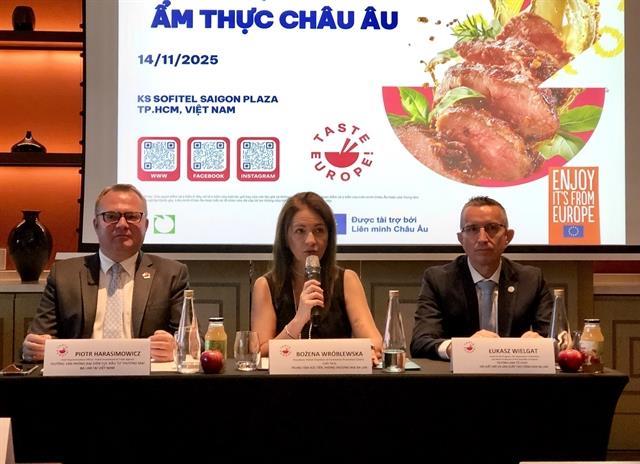
Poland is seeking to strengthen agricultural and food trade with Việt Nam and deepen ties between businesses from both countries, Polish officials said at a press conference and business meeting in HCM City on November 14.
Hundreds of tonnes of dragon fruit are stuck in warehouses, as farmers and businesses face the risk of huge potential financial losses if the issue is not resolved promptly.
The PM asked the Minister of Agriculture and Environment to raise appropriate measures to strengthen domestic production to ensure food security and exports in all circumstances.
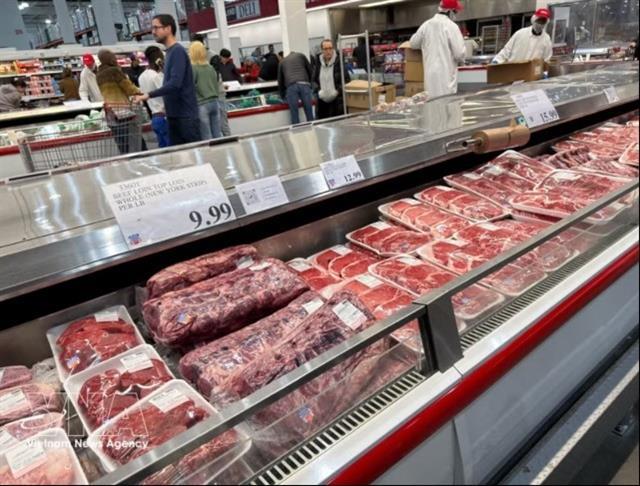
A wide range of US agricultural products will soon enter the Vietnamese market at more competitive prices, following a significant reduction in import tariffs.